Planning a kitchen remodel can feel overwhelming. Homeowners often spend weeks choosing cabinets, countertops, and appliances, only to leave lighting decisions until the last minute. Unfortunately, lighting has one of the biggest impacts on how a kitchen looks, feels, and functions every day.
One of the most common questions during a renovation is whether to install recessed lighting or decorative light fixtures. While recessed lights have long been considered the standard choice, many designers now prefer a layered lighting approach that creates warmth, depth, and visual interest. Understanding the advantages and drawbacks of each option can help you create a kitchen that feels both practical and inviting.
The Pros of Recessed Lighting in Kitchens
Recessed lighting remains popular for several good reasons.
First, it provides clean, unobtrusive illumination without taking up visual space. Because the fixtures are installed directly into the ceiling, they work particularly well in kitchens with lower ceiling heights where hanging fixtures may feel crowded.
When properly positioned, recessed lights provide excellent task lighting. They can effectively illuminate countertops, cooking areas, and prep zones, making everyday kitchen activities safer and more comfortable. Many homeowners also appreciate that damp-rated trims can be installed directly above sinks where moisture resistance is important.
Another benefit is their versatility. Recessed fixtures can be used for wall-washing techniques that highlight custom cabinetry, textured backsplashes, or architectural details. Instead of drawing attention to the fixture itself, the light highlights the room’s design elements.
The Cons: Why Designers Avoid the “Grid”
The main disadvantages of recessed lighting include:
- The “cave effect” that leaves walls and corners in shadow
- Potential energy loss through ceiling penetrations
- Excessive glare from poorly designed fixtures
- Flat, sterile-looking illumination
- Difficult maintenance with integrated LED models
One of the biggest complaints designers have is the traditional grid layout often seen in builder-grade kitchens. Because recessed lights direct illumination downward, they can create pools of light while leaving upper walls and surrounding areas darker. This phenomenon is often called the “cave effect,” making a room feel less welcoming than intended.
Energy efficiency can also become a concern. Every hole cut into a ceiling creates an opportunity for air leakage unless properly sealed with airtight, insulation-contact-rated housings. Over time, these gaps can reduce insulation performance and increase heating or cooling costs.
Another issue is glare. Ultra-thin wafer LEDs and low-quality recessed fixtures can produce harsh light that feels uncomfortable and creates unflattering shadows on faces and work surfaces.
Maintenance presents a hidden challenge as well. Many modern canless LED fixtures use integrated lighting systems rather than replaceable bulbs. If a unit fails years later, homeowners often struggle to find a matching replacement with the same brightness and color temperature.
Current Kitchen Lighting Trends Replacing Outdated Cans
Today’s kitchen designs focus on layered lighting rather than relying on a single light source.
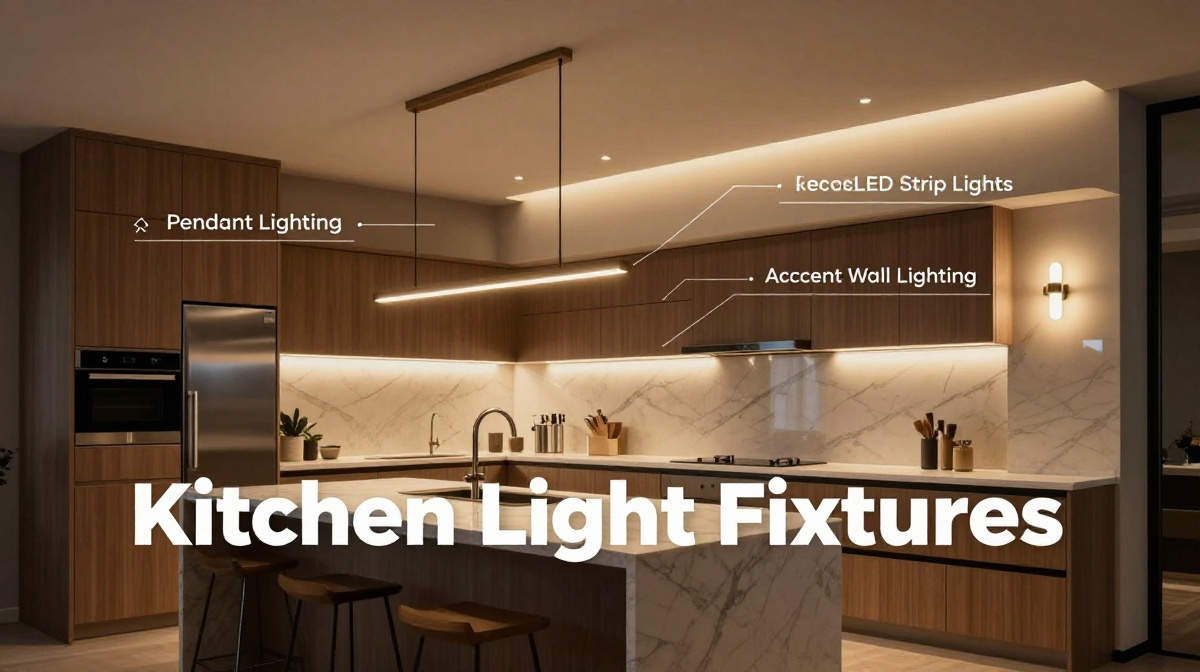
Layered lighting combines ambient, task, and accent illumination to create a balanced environment. Instead of filling the ceiling with recessed lights, designers strategically mix multiple fixture types.
Statement pendants have become particularly popular, especially for kitchen island lighting. Organic materials such as rattan, alabaster, and hand-blown glass add texture and personality while serving as functional focal points.
Another emerging trend is “lampscaping.” Small decorative lamps placed on counters or open shelving create a softer glow that makes kitchens feel more connected to adjacent living spaces.
Hidden LED solutions are also gaining popularity. Under-cabinet lighting eliminates shadows during meal preparation, while toe-kick lighting adds subtle ambiance and improves nighttime navigation.
How to Use Recessed Lighting the Right Way
Recessed lighting is not outdated—but it should be used strategically.
In modern kitchens, smaller fixtures between 3 and 5 inches tend to create a cleaner appearance than traditional 6-inch cans. These smaller apertures blend more naturally into contemporary ceiling designs.
Trim selection also matters. Reflector trims work well over workspaces where maximum brightness is desired, while baffle trims help reduce glare in general lighting applications.
Proper spacing is equally important. A common guideline is to space fixtures approximately half the ceiling height apart. Positioning lights 12 to 18 inches away from walls can also help minimize shadows on countertops and cabinetry.
Most importantly, install dimmer switches. Lighting needs vary throughout the day, and dimmers provide the flexibility to transition from bright task lighting to a softer evening atmosphere.
Balancing Artificial and Natural Kitchen Lighting
The best kitchen lighting plans begin with natural daylight.
Even the most advanced artificial lighting system cannot fully replicate the comfort and visual appeal of sunlight. Maximizing window exposure reduces dependence on overhead fixtures and helps create a healthier, more inviting environment.
Window treatments play an important role in this balance. They can soften harsh sunlight, reduce glare, and improve comfort throughout the day. Incorporating stylish valances for kitchen windows can also add texture and warmth, helping offset the sometimes sterile appearance created by excessive ceiling lighting.
Many homeowners are also embracing tunable white LED systems. These smart fixtures allow color temperatures to shift throughout the day, providing cooler light during busy morning hours and warmer illumination in the evening. This approach supports natural circadian rhythms while enhancing overall comfort.
Should You Install Recessed Lighting?
Recessed lighting is far from obsolete, but the old-fashioned “polka-dot grid” approach is losing favor among designers and homeowners alike.
The most successful kitchens use recessed lights as part of a broader lighting strategy rather than as the sole source of illumination. By combining micro-aperture recessed fixtures with decorative pendants, under-cabinet LEDs, accent lighting, and abundant natural daylight, you can create a kitchen that feels both functional and professionally designed.
If you’re planning a renovation, think beyond simply filling the ceiling with cans. A layered lighting plan delivers better aesthetics, improved functionality, and a more welcoming atmosphere that you’ll appreciate every day.

Leave a Reply