Creating a beautiful home doesn’t mean everything has to match perfectly. It means everything has to work together. Mixing and matching furniture is one of the most exciting interior design challenges, and when done right, it results in spaces that feel curated, personal, and effortlessly stylish. Whether you’re furnishing a brand-new home or refreshing an existing space, learning how to blend different pieces, styles, and materials is a skill worth mastering.
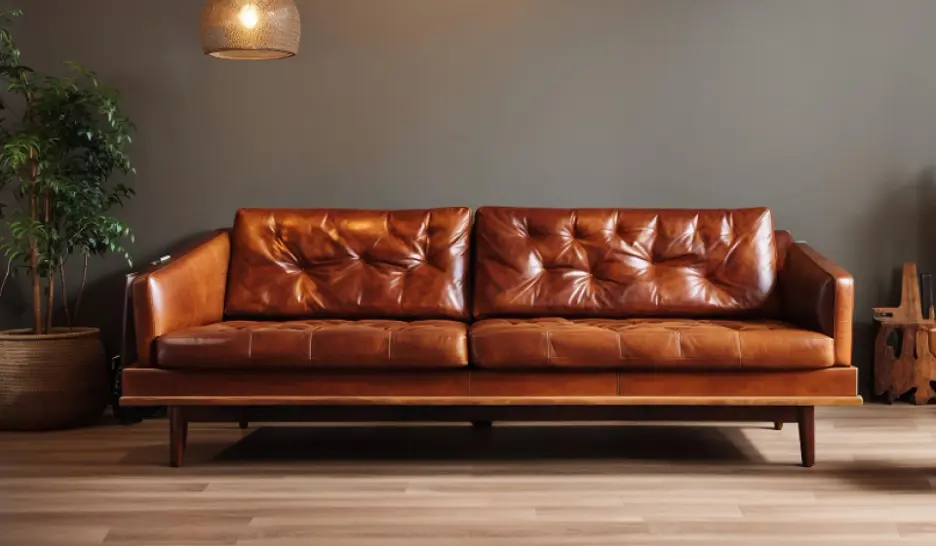
From the statement-making leather lounge suites to globally inspired accent chairs, today’s furniture market gives you endless options to play with. The secret isn’t buying everything from the same collection. It’s understanding the principles that make diverse pieces feel like they belong together.
Smart Ways to Mix and Match Furniture for a Cohesive Interior
Start with a Clear Vision
Every well-designed room begins with a clear direction. Defining an overall aesthetic, such as modern, rustic, minimalist, or eclectic, helps guide furniture choices and prevents the space from feeling disjointed. A clear vision ensures that even when different pieces are introduced, they still contribute to a unified look. Considering elements, like colour tones, textures, shapes, and the mood of the space, creates a strong foundation for decision-making.
Stick to a Consistent Colour Palette
Colour plays a major role in creating cohesion. Even when furniture styles differ, a consistent palette can tie everything together seamlessly. Choosing a few core colours and repeating them across the room helps maintain visual harmony. Neutral tones often work well as a base, while accent colours can be layered through décor and smaller furnishings. When wood finishes are involved, ensuring they complement rather than compete with each other keeps the space balanced.
Balance Different Materials
Combining different materials adds depth and visual interest, but balance is essential. Mixing wood, metal, glass, and fabric can create a dynamic look when done thoughtfully. The key is to ensure that no single material dominates too heavily. Repeating materials subtly across the room helps create a sense of continuity, making the design feel cohesive rather than scattered.
Vary Shapes and Silhouettes
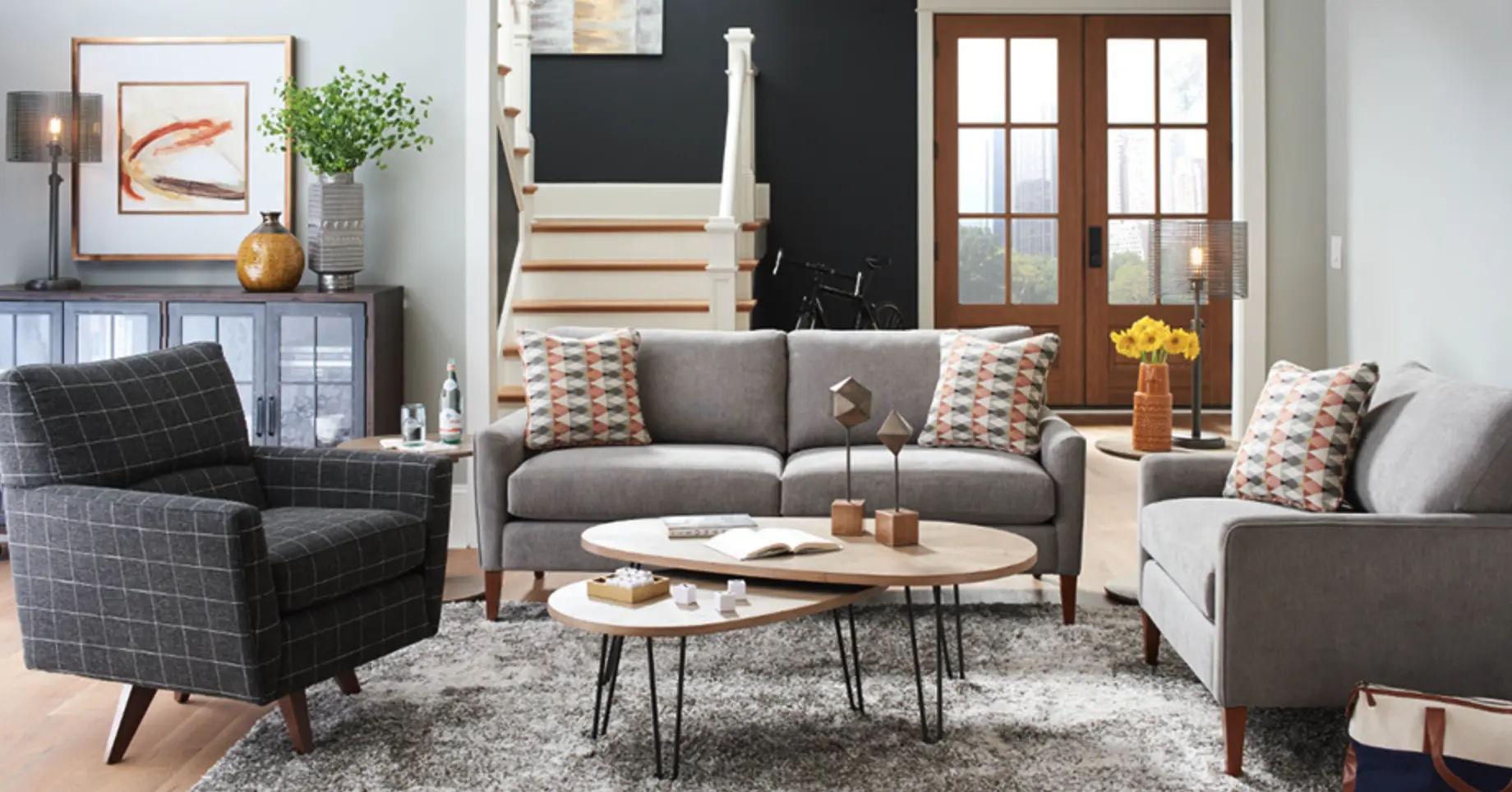
A room filled with furniture of similar shapes can feel flat. Introducing variation in silhouettes brings dimension and character to the space. Pairing curved furniture with structured pieces, or combining low-profile items with taller elements, creates contrast while maintaining visual balance. This variation adds energy to the room without disrupting cohesion.
Use Anchor Pieces
Anchor pieces such as sofas, dining tables, and beds define the overall look of a room. These larger elements should closely align with the chosen style and colour palette. Once these foundational pieces are in place, smaller items can be more flexible in design. This approach allows for creativity while maintaining structure.
In a bedroom, incorporating practical options like king bed frames with free mattresses can serve as both a functional necessity and a visual focal point, helping to organise the rest of the décor around it.
Layer Textures for Depth
Texture is often what makes a space feel complete and inviting. Even with varied furniture styles, layering textures can unify the design. Soft furnishings, rugs, curtains, and decorative accents contribute to a richer visual experience. Combining smooth, rough, soft, and structured elements creates a balanced environment that feels both comfortable and cohesive.
Maintain Visual Balance
A cohesive room requires careful attention to balance. Furniture should be distributed in a way that prevents one side of the room from feeling heavier than the other. Visual weight can come from size, colour, or design complexity. Taking a step back and assessing the room as a whole helps identify any imbalance and allows for adjustments that improve flow and harmony.
Incorporate Repetition
Repetition is a subtle yet powerful design technique. Repeating colours, materials, or shapes throughout the space creates a sense of rhythm that ties everything together. This does not mean everything should match, but rather that certain elements should echo across the room to create consistency.
Blend Old and New Thoughtfully
Mixing vintage and contemporary furniture can add personality and depth. The key is to connect different styles through common elements such as colour or material. Balancing ornate pieces with simpler designs prevents the space from feeling overwhelming while still allowing each piece to stand out.
Avoid Overmatching
While cohesion is important, too much matching can make a room feel staged. A more relaxed and natural look comes from thoughtfully combining different pieces. Introducing contrast while maintaining harmony results in a space that feels lived-in and visually interesting.
Final Thoughts
Mixing and matching furniture is both creative and strategic. By focusing on a consistent colour palette, balanced materials, varied shapes, and thoughtful repetition, it is possible to create a cohesive space without relying on identical furniture sets. A well-designed interior reflects personality while maintaining structure, resulting in a home that feels both stylish and comfortable.
Frequently Asked Questions
How do you mix furniture styles without clashing?
Using a unifying element such as colour, material, or overall theme helps different styles blend naturally.
Can different wood tones work together?
Different wood tones can complement each other when they are balanced and supported by a consistent colour palette.
What is the biggest mistake when mixing furniture?
A lack of planning often leads to a cluttered or disjointed look. Having a clear vision helps avoid this issue.
How many styles should be mixed in one room?
Limiting the mix to two or three styles generally keeps the design balanced and visually appealing.
Does everything need to match?
A cohesive look is more important than exact matching. A curated mix often feels more natural and engaging.

Leave a Reply