Making a home more efficient works best when you consider how its systems fit together. Baker Home Energy provides an example of this approach, offering solar panel and battery installation, HVAC, roofing, water filtration, and electrical services, alongside Solar Service and Repair. Coordinating these improvements can help homeowners and businesses pursue better comfort, reliable operation, and long-term savings. The starting point is understanding the building’s needs, rather than buying equipment before you know which problem it should solve.
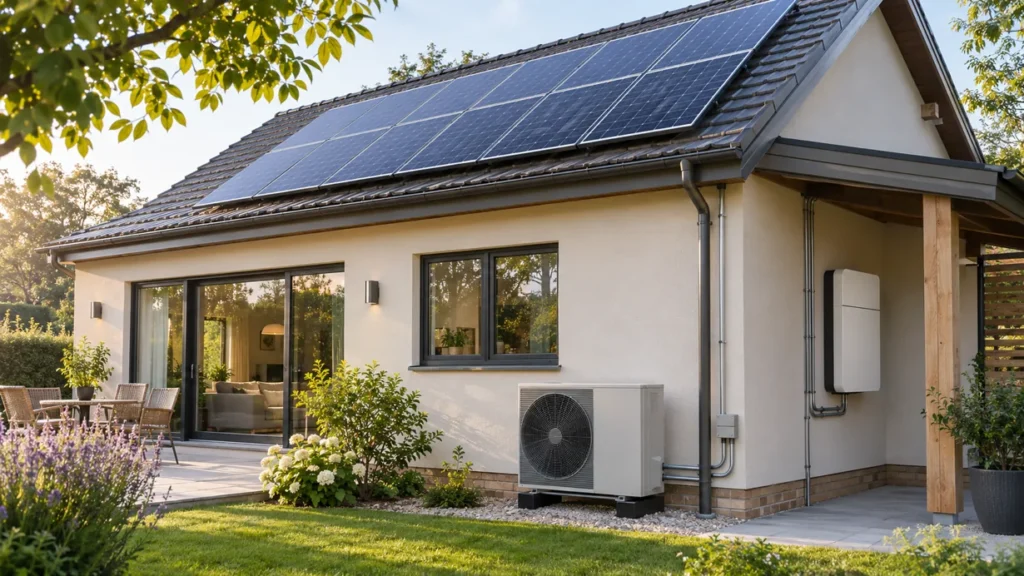
Understand where your energy goes
Begin with utility bills and a list of comfort concerns. Rooms that are difficult to heat, frequent thermostat adjustments, or unusually high summer use can point to issues worth investigating. Compare similar seasons and account for changes in occupancy, weather, or equipment before drawing conclusions from a single bill.
A professional assessment can help identify whether the priority is insulation, air leakage, heating and cooling performance, or another source of waste. Repairing a problem in the building itself may improve comfort and change the size of equipment you need later.
Keep a distinction between efficiency and energy generation. Efficiency reduces the energy required for a task; solar panels generate electricity. Both can be useful, but one does not automatically fix shortcomings in the other.
Improve heating and cooling as a system
Heating and cooling equipment should suit the building’s actual load. Ask a qualified contractor to evaluate the space, existing distribution system, and operating conditions before recommending a replacement. Bigger equipment is not automatically a better solution to uneven temperatures.
Heat pumps provide heating and cooling by moving heat rather than generating it through combustion. As the Department of Energy explains, this operating principle can make them an efficient option. Actual performance and operating costs depend on the equipment, climate, installation, and local energy prices.
Baker’s heat pump installation services are one example to explore when comparing approaches. Ask about system sizing, electrical requirements, airflow, controls, maintenance access, and the reasons a proposed model suits your home. Review the assumptions behind projected savings instead of treating them as a guarantee.
Plan solar around the roof and your usage
Solar design involves more than finding space for panels. Roof condition, shading, orientation, and the pattern of electricity use all affect whether a proposal is suitable. Have the roof assessed before installation so you can consider any necessary work as part of the plan.
A household that uses most of its electricity in the evening may have different priorities from a small business with substantial daytime use. Ask the installer to explain expected production, how it relates to your consumption, and how your utility’s applicable rates and export arrangements affect the estimate.
Include service in the conversation. Monitoring can help reveal a change in output, but interpreting that change requires context such as weather and system condition. Arrange qualified inspection or repair when needed rather than assuming that every drop means the panels need cleaning.
Choose battery storage for a defined purpose
A battery stores electricity for later use. Depending on the system design and operating settings, it may help shift usage or provide backup to selected loads. Neither every battery nor every solar installation automatically provides power during an outage.
Ask which circuits would be supported, how much power the system can deliver at once, and how long stored energy may last under the proposed loads. Capacity and power output describe different limits. A design that supports lights and refrigeration may not support every major appliance simultaneously.
Backup operation also requires suitable controls and equipment. The Australian Government’s solar design guidance notes that many grid-connected solar systems shut down during an outage. Confirm the behavior of the specific system you are considering.
Coordinate electrical work with future needs
New HVAC equipment, battery storage, and other upgrades may affect the building’s electrical requirements. Have a qualified electrician evaluate the relevant circuits and service capacity before work begins. An electrical panel upgrade should follow an assessment, rather than be assumed necessary in every case.
Discuss likely future improvements so the team can consider them in the plan. Coordinating routing, equipment locations, and access can help avoid awkward revisions after installation. Ask who is responsible for approvals, inspections, documentation, and commissioning.
Consider water quality and everyday comfort separately
Water filtration can be part of a broader home improvement plan, but it should not be presented as an automatic energy-saving measure. Start with information about the water supply and the particular concern you want to address. Select a system intended for that need and understand its maintenance requirements.
Baker includes water filtration among its services, illustrating how one provider may coordinate several household systems. Keep the purpose of each improvement clear: filtration addresses water quality, while efficiency measures and energy equipment address different goals.
Compare complete proposals and keep systems maintained
Request a written scope that explains equipment, installation, exclusions, warranties, and ongoing care. Compare similar specifications and ask which assumptions drive any savings estimate. For businesses, operating hours and continuity needs should also be part of the assessment.
After installation, retain manuals and commissioning records and follow the recommended service schedule. Review comfort and energy use over time. An integrated approach is most useful when it produces a practical plan for your building, with each upgrade supporting a clear goal and a manageable path for future maintenance.

Leave a Reply