Professional landscaping brings together the appearance, practical use, and ongoing health of an outdoor space. Hyatt Landscaping offers a useful residential example: its services range from custom design and installation to retaining walls, walkways, drainage, lighting, and lawn treatment programs, including weed control charlotte nc. A coordinated approach can help property owners improve curb appeal, make outdoor areas easier to use, and plan care across the seasons. Whether you manage a home or a commercial property, the starting point is a clear understanding of the site and the services your chosen contractor actually provides.
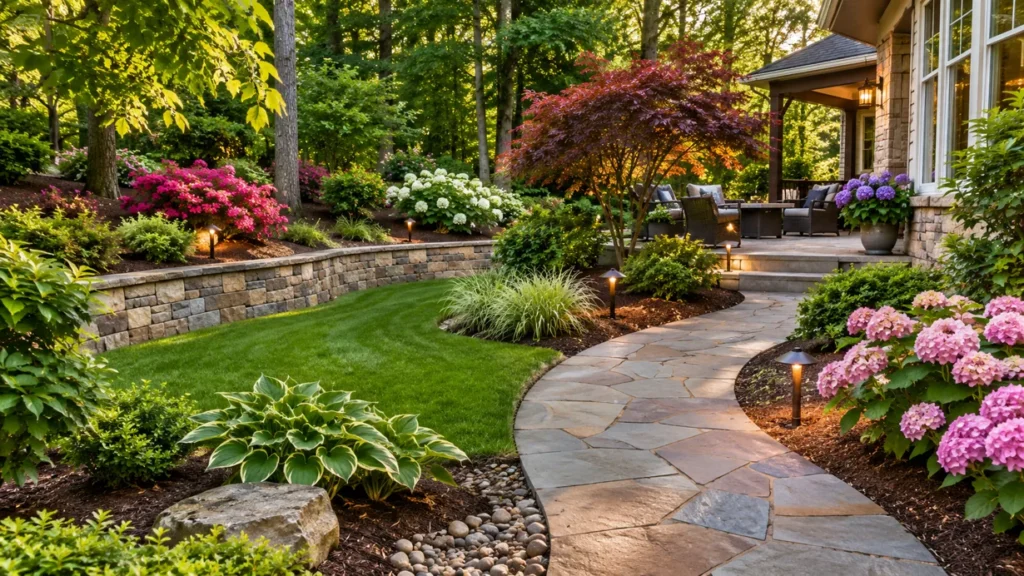
Start with a plan that fits the property
A landscape should respond to the way people use the space. A homeowner may want a welcoming entrance and a place to relax, while a commercial property may prioritize visitor access and a consistent appearance around entrances. These goals influence layout, planting, and maintenance needs.
Before selecting materials, identify the areas that work well and those that cause frustration. Notice worn routes across the lawn, places that remain wet, and views you want to improve. A designer can help bring those observations into a coherent plan rather than treating each feature as an unrelated purchase.
Discuss the budget and whether work will be completed in stages. Planning the whole space first can help avoid installing planting beds where a future walkway or drainage improvement needs to go.
Use planting to create a balanced appearance
Thoughtful plant selection gives a landscape structure as well as color. Consider mature size, available sunlight, and the space needed around paths and buildings. Plants that look well spaced at installation may eventually crowd one another if their growth has not been considered.
Ask the designer to explain the proposed mix of trees, shrubs, and ground-level planting. A clear maintenance plan should accompany the design so you understand watering, pruning, and replacement responsibilities. A visually appealing scheme should also be manageable for the people caring for it.
Fresh planting can strengthen curb appeal, but appearance alone should not drive every choice. Access for maintenance and room for plants to develop are practical parts of a successful installation.
Make movement and outdoor living easier
Walkways can establish a clear route between an entrance, driveway, and outdoor seating area. Patios and steps can make changes in level more usable, while retaining walls may help organize a sloping site. These features should be designed around the conditions they need to address.
Ask a qualified contractor about foundations, support, drainage, and any approvals relevant to the project. A decorative wall and a wall retaining soil do not necessarily have the same requirements. The written scope should explain what is being built and how surrounding surfaces will be finished.
For homeowners researching landscaping charlotte nc, Hyatt provides an example of a company combining planting with outdoor living and hardscape work. Its published local services focus on residential properties; commercial owners should confirm that a prospective contractor has the appropriate scope and experience for their site.
Address water movement before finishing the surface
Standing water and recurring erosion can limit how an outdoor area is used. Before covering a troublesome spot with new turf or paving, have the cause assessed. Water may be arriving from several directions, and a solution should account for where it can safely go.
A contractor may discuss grading or a drainage system after evaluating the property. Ask how the recommendation addresses the observed conditions and how the system will be maintained. Drainage should be coordinated with planting and hardscaping rather than added as an afterthought.
Keep records of where water collects after rainfall. Photographs and simple observations can help the assessment without requiring you to diagnose the cause yourself.
Use lighting with a clear purpose
Landscape lighting can make paths, steps, and entrances easier to see while bringing attention to selected features. Start with the routes people actually use, then consider whether additional lighting adds something useful to the space.
Discuss fixture placement, glare, controls, and maintenance access with the installer. A restrained plan can create a welcoming effect without flooding the whole garden with light. Consider neighboring windows and how the lighting will look from inside the property as well.
Distinguish lawn treatments from routine yard work
Lawn care is not a single universal service. A provider may offer turf treatment programs, mowing, or both. Hyatt describes programs involving services such as fertilization, weed control, aeration, and overseeding, and explicitly says weekly mowing is not part of its offering.
Ask what your proposed program includes and how it is selected for the existing lawn. Understand the timing of visits, any preparation you need to arrange, and the instructions that apply after treatment. Professional care should be based on identified needs, not an assumption that every lawn requires the same work.
Plan for the landscape after installation
An outdoor project needs care beyond the day the crew leaves. Clarify responsibility for establishing new planting, keeping hardscapes and drainage features accessible, and checking lighting. Request written guidance and ask how concerns will be handled.
For residential and commercial properties alike, the right professional service connects a clear design with suitable installation and ongoing care. That combination can improve appearance and functionality while giving owners a realistic plan for maintaining an attractive landscape throughout the year.

Leave a Reply