Do you want to replace a water heater element but never find the right guidelines with the required safety precaution? You must learn this art with accurate steps because this utility is not universal.
The format of all heating elements is not similar. You can adjust your DIY approach and transform it according to every element type.
Don’t think much about these formats, as our experts have covered a complete procedure with safety precautions so that every homeowner can do this repair yourself without using any complicated tools.
How can I change a water heater element?
- Of course, your water heater is too hot to touch. You have to carefully replace the water heater element by draining its tank. Turn off all the power switches connected to this utility and access the heating element.
- Now, investigate its condition and better to replace it with a newer one. Make sure that the water tank is empty and there is no hot water running in the taps. Further, remove the access panel cover and replace the heating element from its origin.
- Install the newly purchase water heater element. Finally, turn the electric power and water supply valve again to analyze the performance of the new element.
How to Check the Water Heater Element?
There are many reasons to change the heating element for the water heater. Of course, occasionally, you have to replace a water heater element in case of damage, and if you find an accurate reason, you can tackle the situation better.
Before accessing the main heating element, you should investigate your main circuit breaker or the electrical panel directly connected with this utility. Sometimes, this main switch is tripped or accidentally turned off.

If you find any similar issue, resolve it before considering the heating element of your hot water tank. Besides all this, there are still plenty of reasons that this heating element is burnt or spoiled.
The sediment is the main reason for such damage. In this case, you should follow our guide and replace a water heater element on your own instead of trying to repair it.
Must Follow These Safety Precautions Before You Get Started
Before moving to the actual process, let me tell you some critical things you must follow for your safety. It is so important to remember all these crucial points and observe them on the spot for the right care:
- Make sure that the water heater is fully drained before proceeding with it.
- Always give at least three hours to cool the water elements naturally.
- Before touching this electrical panel, you must turn the main electric line off.
- Sometimes, hot water still runs in the taps, allowing it to drain completely.
- Never put the colder water on the hot tank to calm it.
- Also, ensure that there is no current running through this heating element before accessing it.
Replacing a Heating Element – 8 Easy Steps
If you notice the parts of a water heater, you will find that the heating element is the crucial part of all of them. There is a certain chance that the heating element for the hot water heater gets dirty and produces bad water or damages for some reason.
Now, if you want to replace this critical component of your water heater, then you must arrange the following tools/materials and follow our easy instructions to make this DIY task much easier for you:
What You’ll Need
- A Voltage or Circuit Tester
- Element Puller
- Multimeter
- Garden Hose
- Water Heater Element Wrench
- New Heating Element with O-Ring
1. Turn off the Power
Now, if you want to perform this simple DIY hot water heater element replacement task, you must turn the power off for safety.
If there is any separate electrical panel installed to run this utility, remove all the plugs from it; otherwise, turn off the main circuit breaker and test your water heater with a voltage tester before moving on.
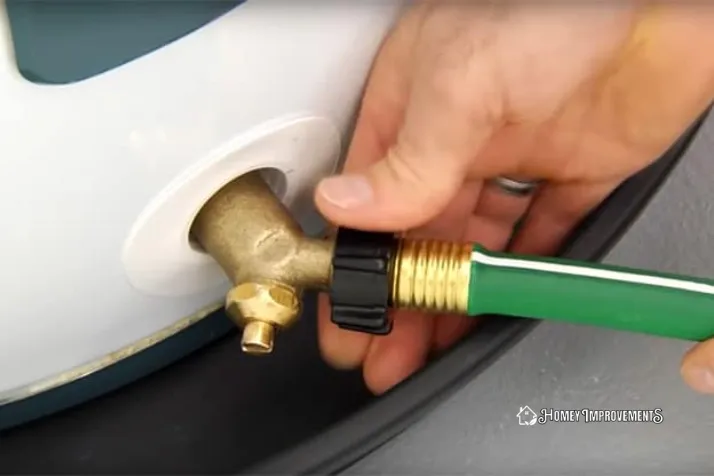
2. Attach a Hose to the Drain Valve
Further, you need to attach any hose to drain the valve. If this drain valve is not clogged, you can carry on with this process; but if the tank is clogged, you have to investigate it before taking on the actual procedure to replace a water heater and its element.
3. Turn off the Water Supply
Before accessing the element water, you need to turn off the valve of the main water line. You will find this cold-water valve above the water heater.
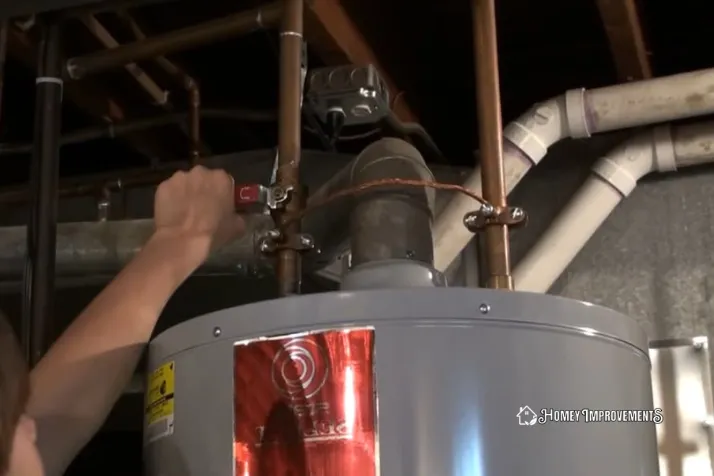
Now open all the faucets directly connected to your hot tank to release the hot water pressure. You should only proceed when the connected taps are open.
4. Remove the Access Panel Cover
Next, bring the screwdriver and get rid of the access panel cover. Remove the upper and lower panels to access the actual water heater element easily. You will also find the insulation; carefully remove it and put it in any drier place.

There is a plastic cover on the thermostat; eliminate this cover too. If you see any wiring, you must make sure with the voltage tester that there is no current passing.
If you feel any damaged wire, you must replace it as well. Further, you will also find two wires directly connected to the main element of your water heater. Gently disconnect both these wires from the heating element.
5. Remove the Bad Water Heater Element
It’s time to lose the bad water heater element from this machine. Use the element wrench and move it in a counter clock-wise direction to eliminate the older water heater heating element.

You may find an O-Ring to seal the water. Investigate its condition as well; remove it if you find it broken or ugly. Clean this surface with any drier cloth and try to eliminate the gasket area from older threads and other messy stuff.
Make sure that there is no debris or sediment left in this place.
6. Install the New Heating Element
Now, bring your newly purchased heating element and attach the O-Ring at the initial stage. You can follow the guidelines of this product manufacturer as well.

Further, install the entire heating element and fix all the equipment with the element wrench. Also, connect the two wires with this element and tighten all the screws carefully.
Make sure that the element is well balanced at its location and that all the wires have connected with the right terminals.
7. Refill the Tank
Now, turn on the main water supply valve and allow the water to fill the hot water heater tank again. Make sure that there is no leakage reported with this utility.

Once the water tank is filled, only then the heating element will perform its functions. You can also check the water supply by opening the warm water tap and investigating the water flow pressure.
8. Turn on the Water Heater Power
Finally, switch the main circuit or electrical panel to turn your water heater on again. Now, you must allow a specific time for your water heater to warm the water. Check the performance of this utility for at least after three hours.

Ensure you get the right hot water flow without any leakage issues.
Basics of Water Heater Element and its Types
The heating element is the main component in any hot water heater. It is the major electric source installed in this utility to heat the colder water and make it hot according to the water temperature.
You can adjust any temperature according to your needs on the control panel installed in this utility, and this heating element with doing the rest for you.
The life span of this element is around 6 to 10 years, but you can replace it earlier or depending on its condition and usage.
Some energy-efficient models may last longer and have higher hot water heaters age. As a householder, you can choose the right model according to your needs.
Types
If you want to know the formats of a water heater element, you may find various types based on the material and additional attachments. However, you will get three major classifications of any heating element in terms of its density which are:
High Watt Density Heating Element
The most common style of a heating element is the high watt density. It is, of course, the least expensive format and may carry a shorter life span than all other types of this utility.
Low Watt Density Heating Element
If you reside in a hard water region, you should choose a low-watt density heating element. There is also a lesser chance of sediment growth in a lower density which increases the life of this element.
Lime Life Element
If you are looking for a high-quality water heater element, you should go for the lime life element. It is the most expensive heating element that will provide instant warm water at any level of water supply.
FAQs – Frequently Asked Questions
Can You Change the Water Heater Element without Draining it?
It is possible to change the water heater elements without draining the water. However, you should empty the water tank for convenience and make all the changes easily.
Are Water Heater Elements Universal?
There are three different formats of a heating element. You can check your machine’s water heater parts and their description on the manufacturer’s side to get the real idea.
How Much Does it Cost to Have Water Heater Elements Replaced?
You must pay around $200 to $300 to replace water heater elements. It is better to choose a DIY route to reduce the budget for replacing this heating element.
How Do I Know if My Water Heater Element is Burnt Out?
Most modern water heaters contain two heating elements; one at its top and the other one placed at the bottom. You have to remove the water heater cover to access this element.
You can check its condition manually and get an idea about its burning. Moreover, if you have a voltage circuit, then you can test the element with it.
What Causes a Water Heater Element to Burn Out?
Sediment is the major cause of this burning issue. If it builds up on the heating elements, you will notice electrical and wiring issues in your water heater.
Final Thoughts
You should follow all the instructions given in this informative guide before approaching your local plumber. I am sure you will get enough knowledge to perform this DIY task without any hurdles easily.
You can keep your hot water running all the time once you learn this technique. The heating element is occasionally damaged or burnt.
Once you learn the art or replace it, you never need assistance from your local plumber. Just ensure to strictly observe our safety precautions and follow this process’s steps in the right sequence.

Leave a Reply